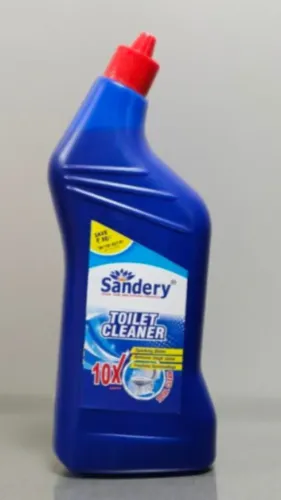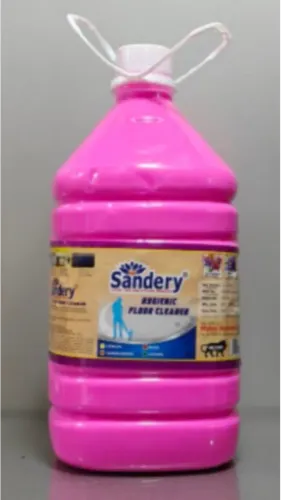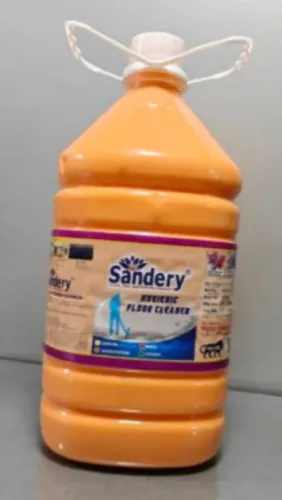
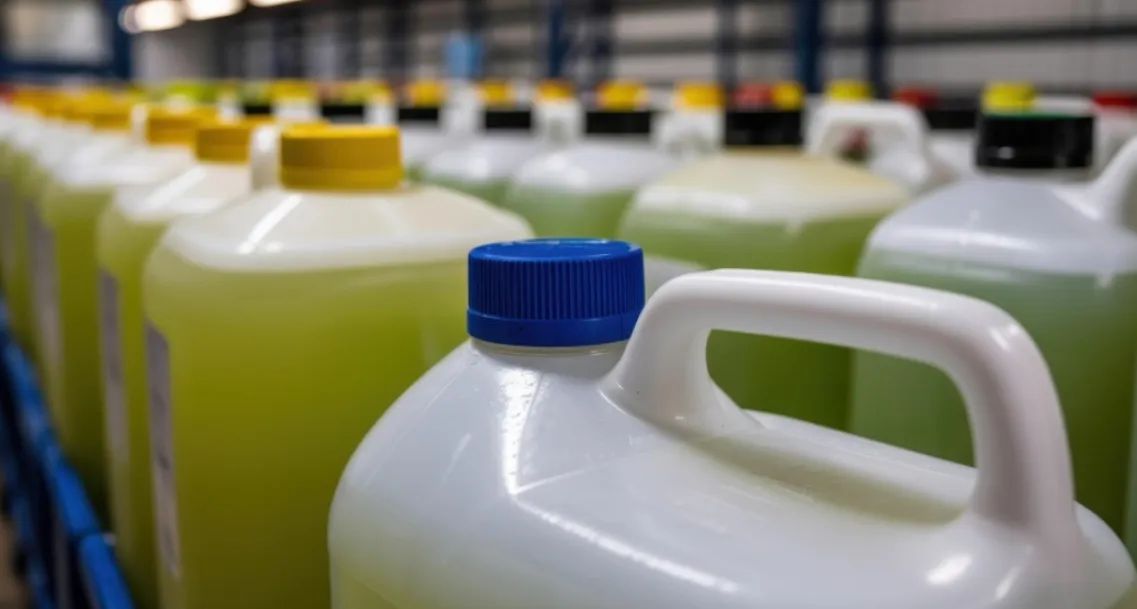
Commercial and industrial properties deal with cleaning challenges that are very different from routine household cleaning. Heavy footfall, oils, grease, stubborn soil, washroom deposits, production residue, and large floor areas can all require purpose-specific Industrial Cleaning Chemicals.
For businesses in Pune and across Maharashtra, understanding how these products differ can help housekeeping and facility teams choose formulations according to actual cleaning conditions rather than relying on one chemical for every task.
Different Cleaning Problems Require Different Chemistry
Industrial cleaning chemicals can be designed for specific applications such as degreasing, floor maintenance, washroom cleaning, surface cleaning, or removal of particular types of soil.
The first step in selecting a product is therefore identifying what needs to be removed.
For example, a facility may be dealing with:
- Oil and grease
- Dust and general soil
- Food-related residue
- Soap deposits
- Mineral buildup
- Organic contamination
- Marks on hard flooring
- Dirt on frequently touched surfaces
The chemical selected should correspond to the cleaning problem and the material being cleaned.
Understand Concentration Before Comparing Products
Commercial cleaning products are frequently supplied in concentrated form.
This makes the purchase price alone a poor basis for comparison.
Suppose two containers have similar prices but require very different dilution ratios. The product with the lower container price may ultimately cost more for each litre of usable cleaning solution.
Facility managers should therefore consider recommended dilution and estimated coverage alongside pack price.
pH Can Influence Product Suitability
Cleaning formulations may be acidic, neutral, or alkaline depending on their purpose.
Strongly alkaline formulations may be useful for certain grease-related cleaning tasks, while acidic formulations can have specific applications involving mineral deposits. Neutral products may be preferred for particular routine-cleaning situations.
However, stronger chemistry should not be interpreted as universally better.
An unsuitable formulation can potentially affect surfaces or finishes. Product instructions and surface compatibility should always guide usage.
Staff Training Matters
Even a well-selected chemical can perform poorly when it is used incorrectly.
Housekeeping teams should understand:
- Where the product can be used
- Where it should not be used
- Recommended dilution
- Required application method
- Whether rinsing is necessary
- Relevant contact time
- Safe handling practices
- Appropriate storage
Written procedures can be particularly useful for hotels, hospitals, offices, restaurants, institutions, and facility management companies employing multiple cleaning staff.
Avoid Unnecessary Product Overlap
Commercial housekeeping stores sometimes accumulate several products that perform nearly identical functions.
This can make inventory harder to control and create confusion among staff.
A periodic product review can identify whether the facility actually needs every formulation being purchased. Consolidating overlapping products, where operationally appropriate, can simplify training, purchasing, and stock management.
Evaluate Performance Under Real Conditions
Product performance should be assessed in the environment where it will actually be used.
A useful trial may examine cleaning effectiveness, required dilution, labour effort, residue, surface compatibility, fragrance suitability, and consumption over several cleaning cycles.
This is particularly valuable for larger Pune facilities where even a small difference in daily chemical consumption can become significant over a year.
ROHO CARE PVT. LTD manufactures and supplies cleaning and hygiene products for commercial buyers and housekeeping applications.
Understanding cleaning chemistry does not require every facility manager to become a chemist. It requires a disciplined process: identify the soil, understand the surface, select the appropriate formulation, follow usage instructions, and monitor results. That approach can make industrial cleaning more consistent and easier to manage.
Keywords