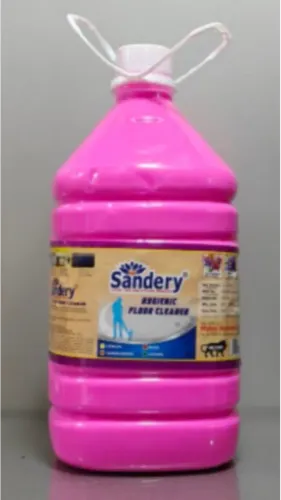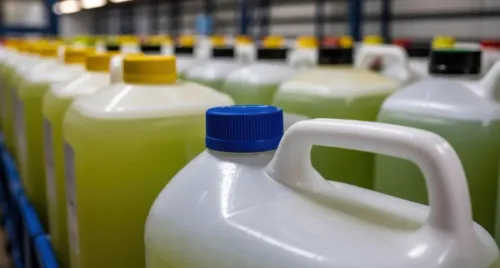
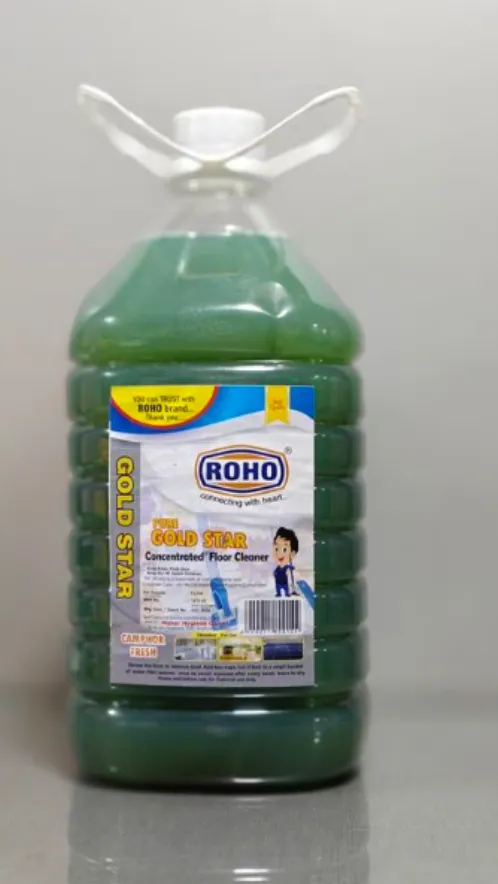
Household cleaning products are repeat-purchase items, but stocking them successfully requires more than filling shelves with multiple fragrances and pack sizes. Retailers need products that match customer demand, fit available shelf space, move at a reasonable pace, and can be replenished consistently.
Choosing a Household Cleaner Dealer therefore involves both product and inventory considerations.
Start With the Customer's Cleaning Basket
A typical cleaning category may include products for:
- Toilets
- Bathrooms
- Floors
- Dishes
- Laundry or general washing
- Routine household hygiene
Retailers should first understand which categories their customers purchase frequently.
A neighbourhood store may have different demand patterns from a specialist cleaning material retailer or a dealer supplying small commercial establishments.
Avoid Excessive SKU Expansion
More options do not automatically create more sales.
Too many similar variants can divide demand across several slow-moving products and occupy valuable shelf space.
A better starting assortment may include:
- Core high-frequency categories
- Practical pack sizes
- Limited variants
- Products at relevant price points
Retailers can expand the range after observing actual sales.
Pack Size Influences Purchase Behaviour
Different households have different budgets and storage capacities.
Smaller packs can lower the entry cost for occasional buyers, while larger packs may appeal to families with predictable consumption.
Retailers serving both households and small businesses may benefit from carrying a more varied pack mix.
Check Packaging Quality
A leaking bottle creates problems throughout the supply chain.
It can damage neighbouring stock, make shelves difficult to maintain, increase wastage, and create customer dissatisfaction.
Before committing to larger quantities, retailers should inspect:
- Cap closure
- Bottle strength
- Label adhesion
- Product identification
- Pack handling
- Outer packaging
Packaging is part of the product experience.
Monitor Stock Movement
Retailers should not reorder every cleaning category at the same frequency.
Track basic metrics such as:
- Units sold each week
- Current stock
- Average replenishment time
- Fast-moving pack sizes
- Slow-moving variants
Even a simple spreadsheet or inventory register can improve purchasing decisions.
Manufacturer and Dealer Relationships
Some retailers buy through distributors, while others may explore manufacturer-level supply when volumes justify it.
Direct sourcing can become relevant when a retailer has predictable demand, adequate storage, and the ability to purchase suitable quantities.
ROHO CARE PVT. LTD manufactures cleaning and hygiene products in Pune, serving commercial, retail, and distribution channels. Retailers evaluating supply options can review the available range according to their own customer profile rather than attempting to stock every possible product.
Pune's Mixed Customer Market
Pune, Maharashtra has residential neighbourhoods alongside restaurants, offices, hostels, educational facilities, clinics, and small commercial businesses.
As a result, some cleaning material retailers serve both household and professional buyers.
That can influence the ideal inventory mix. A household customer may want a convenient retail pack, while a nearby restaurant or office may ask for larger quantities.
When Is a Retailer Ready to Expand?
Consider increasing the household cleaning range when:
- Existing products show consistent turnover
- Customers regularly request additional categories
- Storage is sufficient
- Reordering is predictable
- Supplier availability is dependable
- Working capital can support additional inventory
Expansion based on observed demand is generally more sustainable than stocking a large assortment based on assumptions.
A good household cleaning range should be easy for customers to understand and practical for retailers to manage. The right dealer or manufacturer relationship supports that objective through suitable products, sensible pack choices, consistent availability, and an assortment aligned with genuine local demand.
Keywords