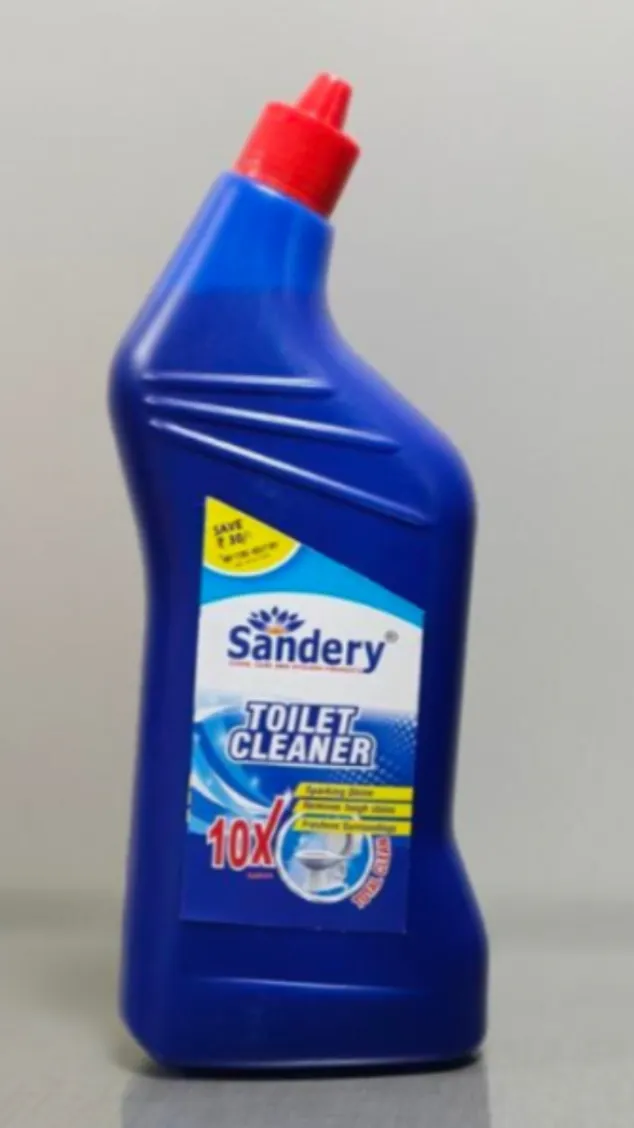
Commercial washrooms are among the most demanding areas for housekeeping teams. High usage can lead to staining, mineral deposits, odour concerns, visible soil, and frequent cleaning requirements. Selecting an appropriate Toilet Cleaner Manufacturer therefore involves more than comparing fragrance or container price.
Hotels, offices, restaurants, institutions, hospitals, malls, and other establishments in Pune need products that fit their actual washroom conditions and cleaning schedules.
Begin With the Cleaning Problem
Not every washroom has the same requirement.
A low-traffic executive office may need routine maintenance, while a restaurant, hospital, educational institution, or busy commercial building may require cleaning several times each day.
Buyers should identify the main challenges:
- Routine toilet-bowl cleaning
- Staining
- Mineral deposits
- Odour management
- High-frequency usage
- Hard-water-related buildup
- Housekeeping productivity
This helps determine whether the product being evaluated is suitable for the intended application.
Check How the Product Is Used
A cleaning product can only be evaluated properly when its application method is understood.
Consider whether it is ready to use or concentrated, how it should be applied, how long it should remain on the intended surface, whether scrubbing is required, and what rinsing procedure is recommended.
Staff should follow the manufacturer's directions rather than increasing the quantity in the belief that more chemical automatically produces better results.
Surface Compatibility Is Important
Commercial washrooms contain more than toilet bowls.
They may include ceramic surfaces, chrome fixtures, stainless steel, stone, grout, partitions, countertops, mirrors, and flooring.
A toilet cleaner should be used only for its intended applications. Using strong formulations indiscriminately across surrounding fixtures may affect finishes or surfaces.
A complete washroom-cleaning programme normally uses different products for different tasks.
Compare Cost Per Use
Container price alone provides limited information for commercial procurement.
If products differ in concentration, application quantity, or cleaning performance, buyers should estimate the cost per cleaning task rather than simply the cost per pack.
For a property with dozens of toilets cleaned multiple times per day, this calculation can materially affect annual housekeeping expenditure.
Test Before Standardizing
Before placing a large recurring order, conduct a controlled operational trial.
Ask housekeeping staff to evaluate the product under normal conditions and record observations such as:
- Cleaning effectiveness
- Ease of application
- Quantity required
- Time spent per fixture
- Residue or rinsing requirements
- Fragrance suitability
- Packaging convenience
Feedback from the people actually using the product can reveal practical issues that procurement teams may otherwise miss.
Evaluate Manufacturing and Supply Capability
For bulk commercial buyers, consistent supply can matter as much as product performance.
ROHO CARE PVT. LTD manufactures and supplies cleaning and hygiene products for commercial customers in Pune. Buyers evaluating a manufacturer can discuss available pack sizes, product applications, bulk quantities, documentation, and recurring supply requirements before standardizing procurement.
The right toilet-cleaning product should fit the washroom, cleaning frequency, staff workflow, and purchasing model. When those factors are assessed together, facilities can make a more informed decision than they would by comparing price or fragrance alone.
Keywords