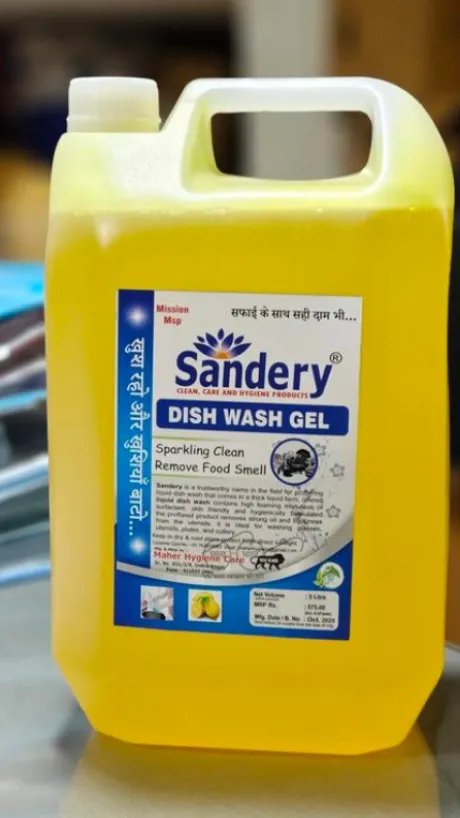
A commercial kitchen can wash hundreds of plates, bowls, glasses, utensils, preparation tools, and cooking vessels in a single day. The cleaning challenge is therefore very different from occasional washing in a household kitchen.
Grease, oil, food residue, sauces, dairy deposits, and dried particles can quickly accumulate. This makes product selection important for restaurants, hotels, canteens, caterers, cafeterias, and institutional kitchens evaluating a Dish Wash Liquid Manufacturer.
Grease Removal Is a Core Requirement
Cooking oils and fatty residues adhere strongly to utensils.
Dishwashing liquids are formulated to help loosen and lift these residues so that mechanical action and rinsing can remove them more effectively.
However, performance depends on several factors:
- Type of grease
- Water temperature
- Amount of product used
- Soaking time
- Scrubbing method
- Water quality
- Condition of utensils
This explains why the same product can appear to perform differently under different washing practices.
Product Usage Should Be Standardised
In busy kitchens, workers may dispense dishwashing liquid by estimation. That makes consumption difficult to control.
If too little is used, cleaning may become inefficient. If unnecessarily large amounts are used, purchasing costs increase and additional rinsing may be required.
Kitchen managers can improve consistency by establishing a standard dosage appropriate to the product's instructions and washing process.
Pre-Scraping Makes a Significant Difference
Cleaning chemicals should not be expected to compensate for poor washing practices.
Removing leftover food before washing reduces the amount of contamination entering wash water and allows the detergent to work more efficiently.
A practical manual washing workflow may include:
- Remove leftover food.
- Pre-rinse or soak where appropriate.
- Wash using correctly prepared cleaning solution.
- Scrub difficult residues.
- Rinse thoroughly.
- Allow items to dry appropriately.
Commercial kitchens should align their procedures with applicable food hygiene requirements.
Consider the Entire Washing Cost
The cheapest container is not automatically the lowest-cost product.
Managers should consider how much liquid is consumed during each shift, how easily grease is removed, how much rinsing is needed, and whether staff use more product than recommended.
A product that encourages uncontrolled dispensing can become expensive despite a low purchase price.
Packaging Matters in Busy Operations
Restaurants and hotels need packaging that can be stored and handled practically.
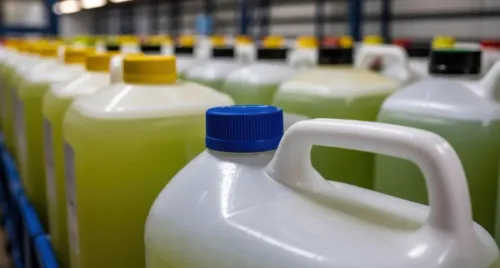
Larger packs may suit central kitchen stores, while smaller dispensing containers can make workstation use easier. Refill systems can also help separate bulk storage from daily dispensing.
Labels should remain identifiable so cleaning chemicals are not confused with food ingredients or other products.
Commercial Demand in Pune
Pune's hospitality and food-service market includes restaurants, hotels, cloud kitchens, cafés, caterers, corporate cafeterias, educational canteens, and institutional kitchens.
High meal volumes make dependable dishwashing supplies an operational requirement rather than an occasional purchase.
ROHO CARE PVT. LTD manufactures cleaning and hygiene products in Pune for commercial buyers and distribution channels. For Maharashtra food-service businesses, selecting products with suitable pack sizes and dependable replenishment can support smoother inventory management.
A Better Way to Evaluate Dishwashing Products
Instead of focusing exclusively on fragrance, foam, or price, test products against actual kitchen conditions.
Observe:
- Grease removal
- Quantity required
- Rinsing effort
- Performance on typical utensils
- Daily consumption
- Ease of dispensing
- Storage practicality
Commercial dishwashing is ultimately a process. Product quality matters, but so do dosage, washing technique, staff discipline, water conditions, and inventory control.
When these elements work together, kitchens can achieve more consistent cleaning without relying on excessive chemical use.
Keywords