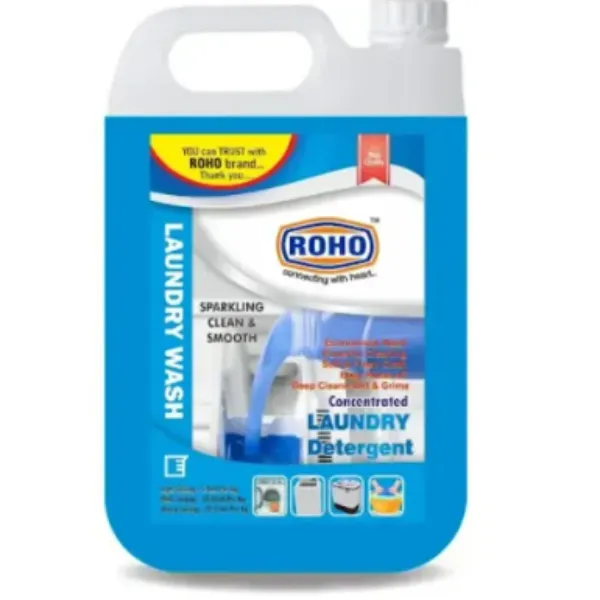
Detergents are used across households, hospitality operations, institutions, housekeeping companies, restaurants, and numerous commercial environments. Yet buyers sometimes compare products mainly by pack price, fragrance, or foam generation.
For organisations purchasing repeatedly or in larger quantities, evaluating a Detergent Manufacturer requires a broader understanding of cleaning performance, application requirements, packaging, and supply consistency.
What Actually Makes a Detergent Useful?
A detergent is designed to help remove dirt and unwanted residues by allowing them to separate more effectively from a surface or material during washing.
The exact formulation depends on the intended application.
Important characteristics can include:
- Soil removal
- Wetting action
- Grease handling
- Rinsing behaviour
- Solubility
- Product stability
- Suitability for the intended washing process
A detergent should therefore be selected according to what needs to be cleaned rather than simply according to how much foam it produces.
More Foam Does Not Automatically Mean More Cleaning
Foam is highly visible, so users often associate it with cleaning strength.
That assumption can be misleading.
Depending on the application, excessive foam may actually make rinsing more time-consuming. Cleaning effectiveness comes from the formulation and its interaction with dirt, water, the cleaning method, and the surface or material being washed.
Commercial buyers should therefore evaluate actual performance rather than judging detergents visually.
Water Conditions Can Affect Results
Water quality varies between locations and can influence washing performance.
Mineral content and hardness may affect how cleaning products behave. Facilities experiencing inconsistent results should consider whether water conditions, dosage, washing procedure, or product selection could be contributing factors.
This is particularly useful for commercial establishments that process substantial amounts of washing every day.
Storage Deserves Attention
Bulk purchasing can reduce procurement frequency, but excessive inventory is not always beneficial.
Cleaning products need appropriate storage away from incompatible materials and under conditions recommended by the manufacturer.
Businesses should consider:
- Monthly consumption
- Available storage space
- Stock rotation
- Pack handling
- Leakage prevention
- Reorder lead time
A sensible inventory level balances continuity with manageable storage.
Documentation Helps Professional Buyers
Housekeeping contractors, hospitals, institutions, hotels, and facility management companies may need clearer product information than occasional household users.
Depending on the product and application, buyers may want to review labels, directions for use, handling precautions, and relevant product documentation.
This helps supervisors train staff and establish consistent cleaning procedures.
Understanding Pune's Procurement Environment
Pune is home to hospitality businesses, educational campuses, healthcare organisations, manufacturing facilities, corporate offices, restaurants, housekeeping contractors, and cleaning material distributors.
These customers can have substantially different purchasing volumes.
A small restaurant may purchase modest quantities regularly. A facility management company handling several properties may require larger recurring orders. Dealers and distributors have different concerns again, including packaging mix, stock movement, and supply continuity.
ROHO CARE PVT. LTD operates as a cleaning and hygiene products manufacturer in Pune. Buyers evaluating manufacturers in Maharashtra can use application suitability, product consistency, packaging options, and supply capability as practical assessment points.
Ask Better Questions Before Purchasing
Before finalising detergent procurement, ask:
- What exactly will the detergent clean?
- How frequently will it be used?
- What dosage is recommended?
- How easily does it rinse?
- What pack size suits consumption?
- What storage conditions are required?
- How consistently can requirements be supplied?
These questions move procurement beyond a simple price comparison.
The right detergent is not necessarily the product with the strongest fragrance, largest pack, or most visible foam. It is the one that fits the cleaning process effectively, can be used correctly by staff, and delivers predictable results across repeated applications.
Keywords